English
 Español
 Русский
 عربي
From "Moving Out" to "Coming Back": Why Precision Machining Orders Are Returning to China

precision machining orders return to China China+1 supply chain strategy sheet metal fabrication CNC machining services precision custom metal parts
In 2026, the much-discussed "China+1" strategy is witnessing a quiet reversal. According to reports from The New York Times, more than a year after the implementation of reciprocal US tariffs on Chinese goods, many multinational firms that previously shifted their supply chains to Southeast Asia are bringing production back. One such example is ACG, a flashlight manufacturer headquartered in Texas.
A straightforward cost calculation: shipments from Southeast Asia remain 12%–15% more expensive even excluding tariffs. Phil Rust, Global COO of ACG, shared concrete comparisons. Flashlights sold by Chinese vendors on Amazon are priced even lower than the cost for ACG to ship flashlights from Thailand to the US. After completing equipment procurement and qualification certification for factories in Thailand and Vietnam, ACG crunched the full cost numbers: even without accounting for tariffs, shipping from Southeast Asia still costs 12%–15% more than sourcing from China. As a result, although the company has the capacity to manufacture over three-quarters of its products outside China, it still keeps two-thirds of its production capacity within China.
Capital is voting with its feet: newly established foreign-invested enterprises in China rose by 19.1% year-on-year in 2025, and nearly 4,800 foreign firms increased their investment in China in the first half of 2026.
It is not labor costs, but the "supporting industrial radius" that has been underestimated. What cannot be easily replicated is the density of industrial clusters. Take the Yangtze River Delta industrial belt as an example. More than 300 components required to build an intelligent lawn mower in Suzhou, roughly half can be sourced within a one-hour drive. Industry studies show factories in parts of Southeast Asia face a 30%–40% drop in productivity and nearly doubled lead times. This is not due to slower workers, but the lack of a deep network of secondary suppliers.
This logic rings especially true for buyers of precision machined and sheet metal parts. A single component relies on linked support from heat treatment, surface finishing, inspection and fastener suppliers. Any broken link will derail delivery schedules. The same applies to logistics: China hosts eight out of the world’s top ten ports by cargo throughput.
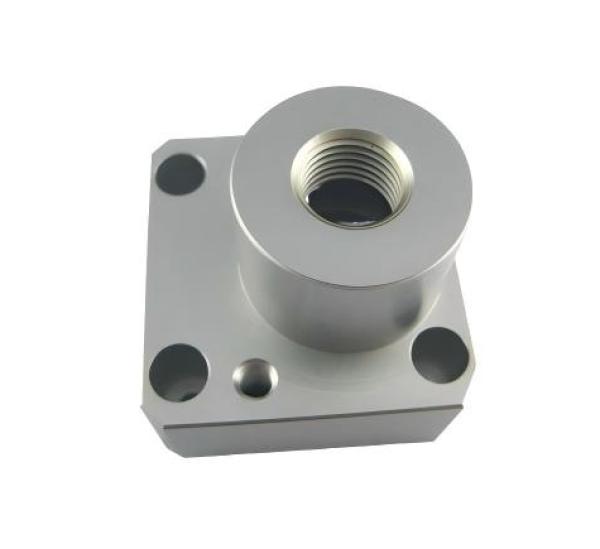
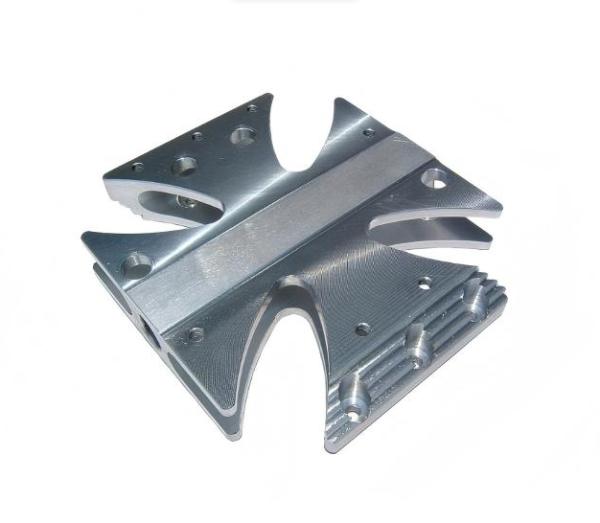
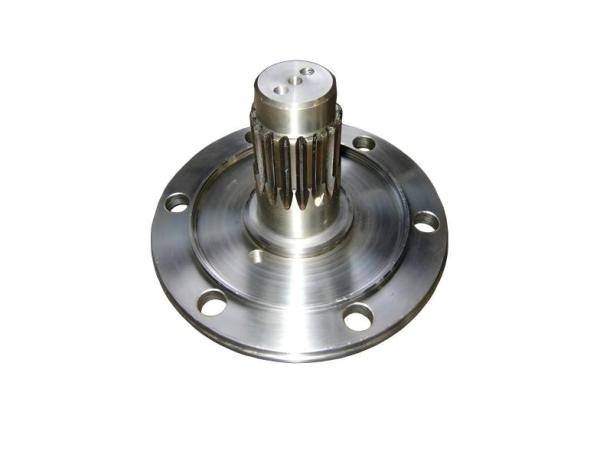
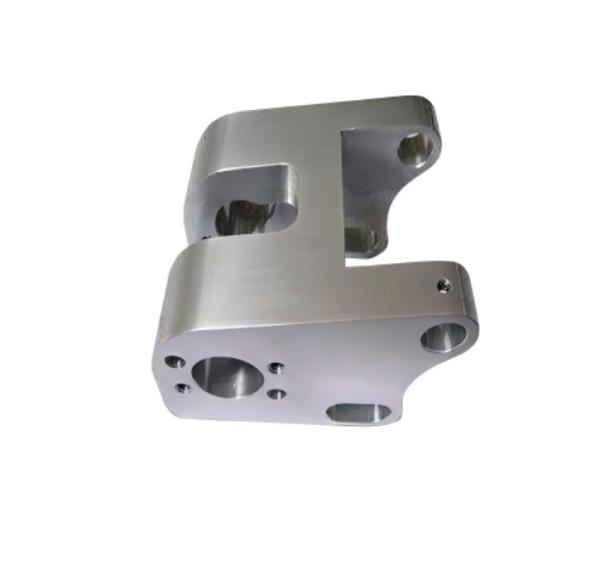
Which manufacturers are winning these returning orders? The return does not cover all orders. It is concentrated on complex, low-volume items with strict requirements for lead time and consistent quality — exactly the sweet spot for precision sheet metal fabrication and CNC machining.
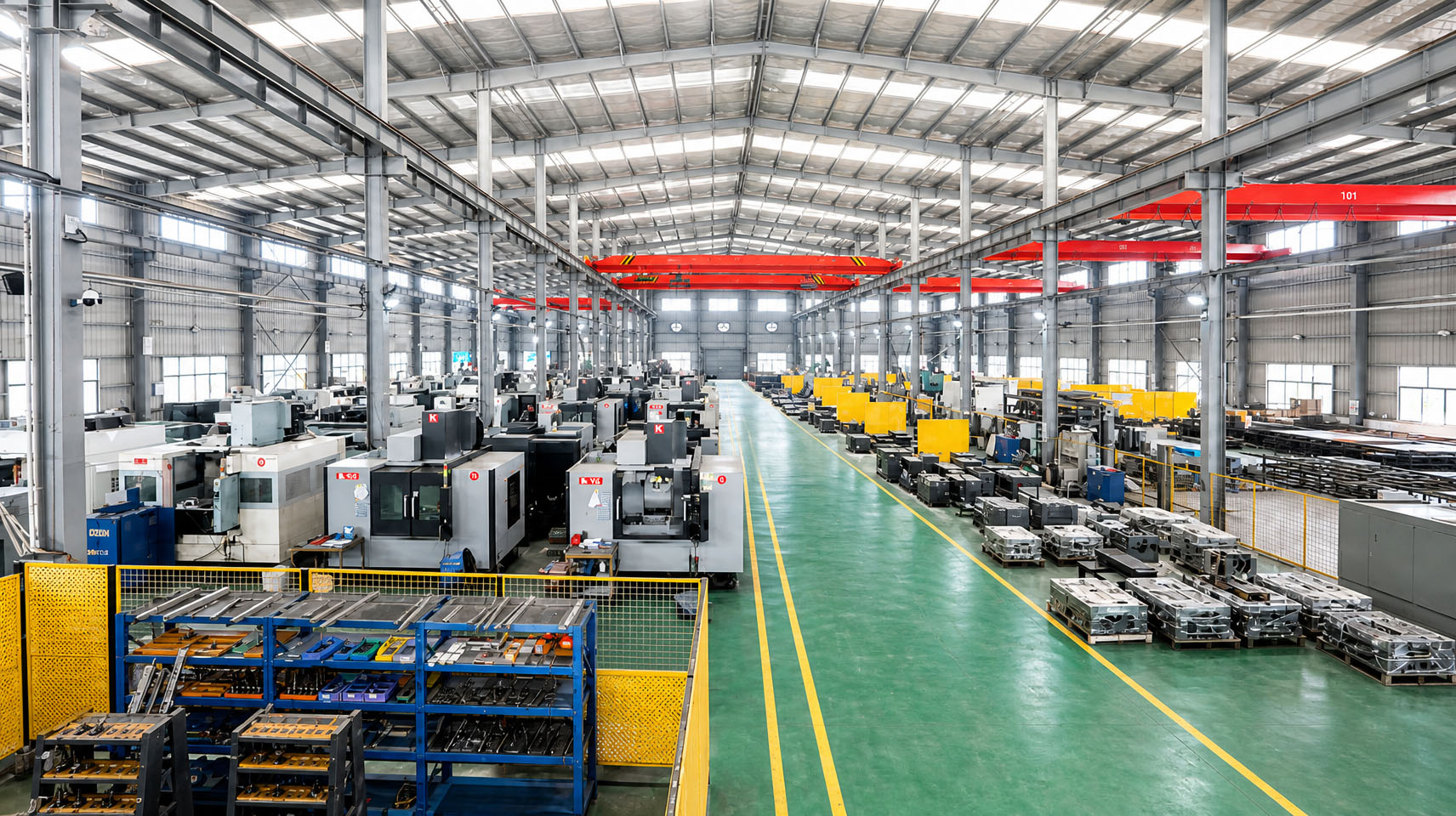
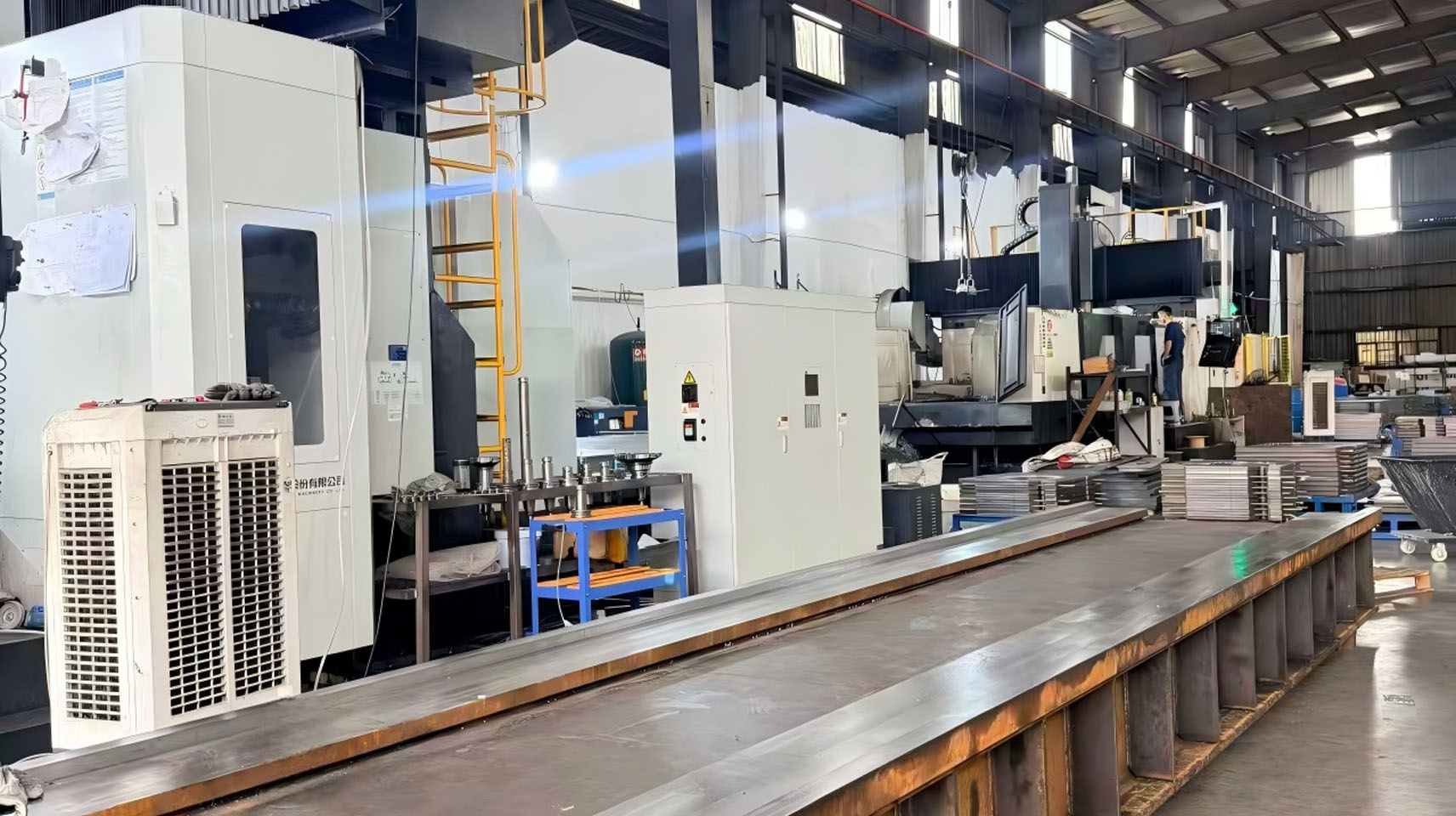
Factories capable of taking on these orders typically have three core strengths: first, handling multiple materials (stainless steel, cold-rolled steel, aluminum) and diverse processes (laser cutting, CNC bending, CNC machining) in-house; second, controllable lead times from prototyping to mass production with traceable inspection records; third, compliance with overseas clients’ drawing confidentiality and regulatory requirements.
In other words, "China+1" has not disappeared. It has evolved from "replacing China" to "building backups outside China". For procurement teams, the real question is not which country hosts your supply chain, but who can produce complex components reliably and on schedule.
Related Products
E3500 E4000