English
 Español
 Русский
 عربي
Humanoid Robot Mass Production Year: New Orders Emerging in CNC Workshops

humanoid robot 5-axis precision machining joint housings geometric tolerances
2026 is recognized by the industry as the year for large-scale mass production of humanoid robots. As complete machines roll out faster, industry focus has shifted from “demo showcase” to the tough competition of mass delivery, stability and cost control. According to TrendForce forecasts, China’s humanoid robot market will reach 15 billion RMB in 2026 and maintain a growth rate of at least 60% in 2027. Deployment scenarios have expanded to diverse sectors including automotive, 3C, aerospace, logistics and energy.
Mass production figures from leading brands mark this industry turning point. As of June 2026, Zhiyuan Robotics has produced 15,000 units in total; UBTECH U1 recorded 13,361 pre-orders by the end of June. The 2026 World Robot Conference (WRC) launched its first dedicated Procurement Day for sourcing negotiations and industrial chain matching, further proving that the industry has shifted its focus from technology exhibitions to practical procurement demands.
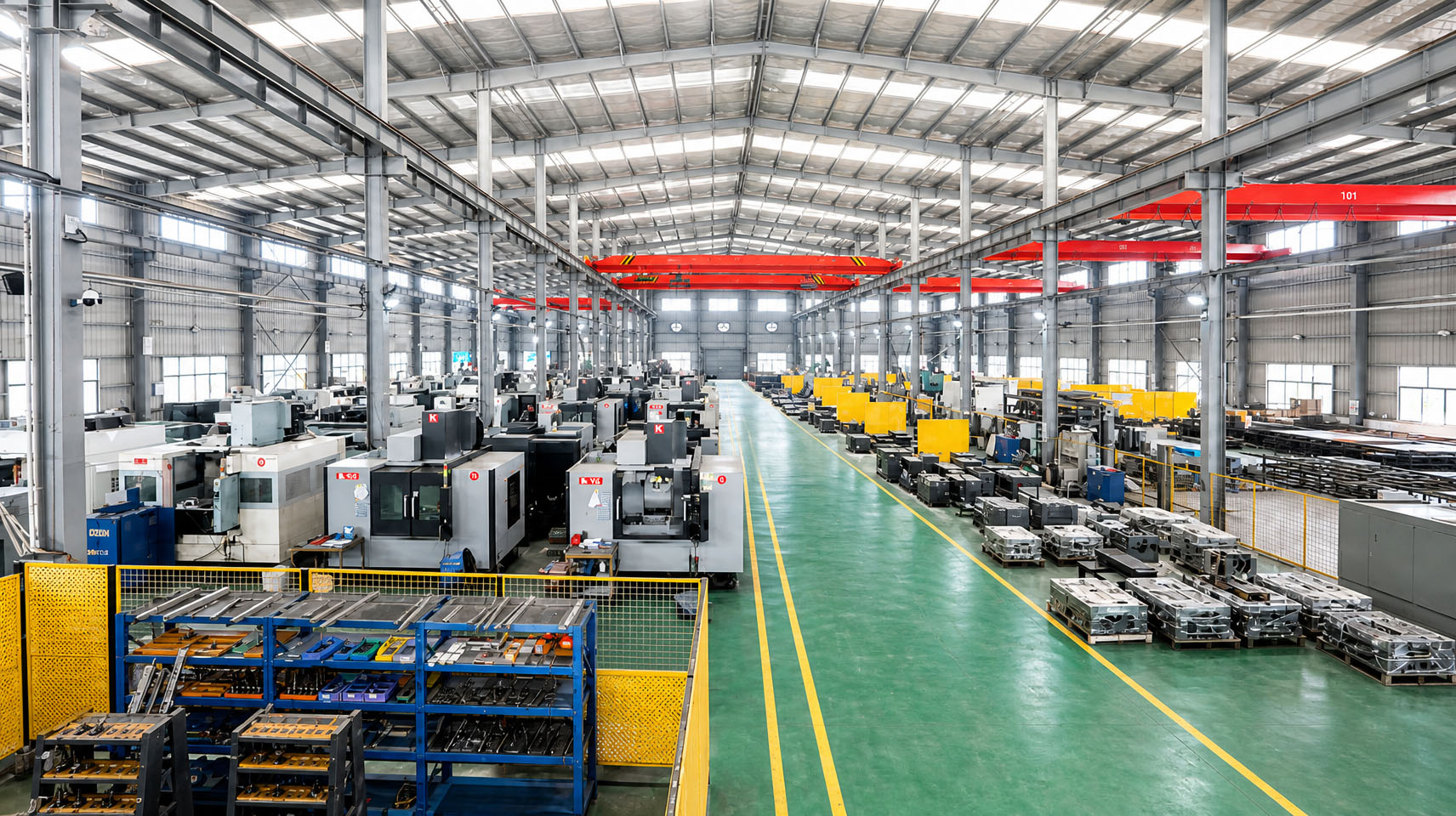
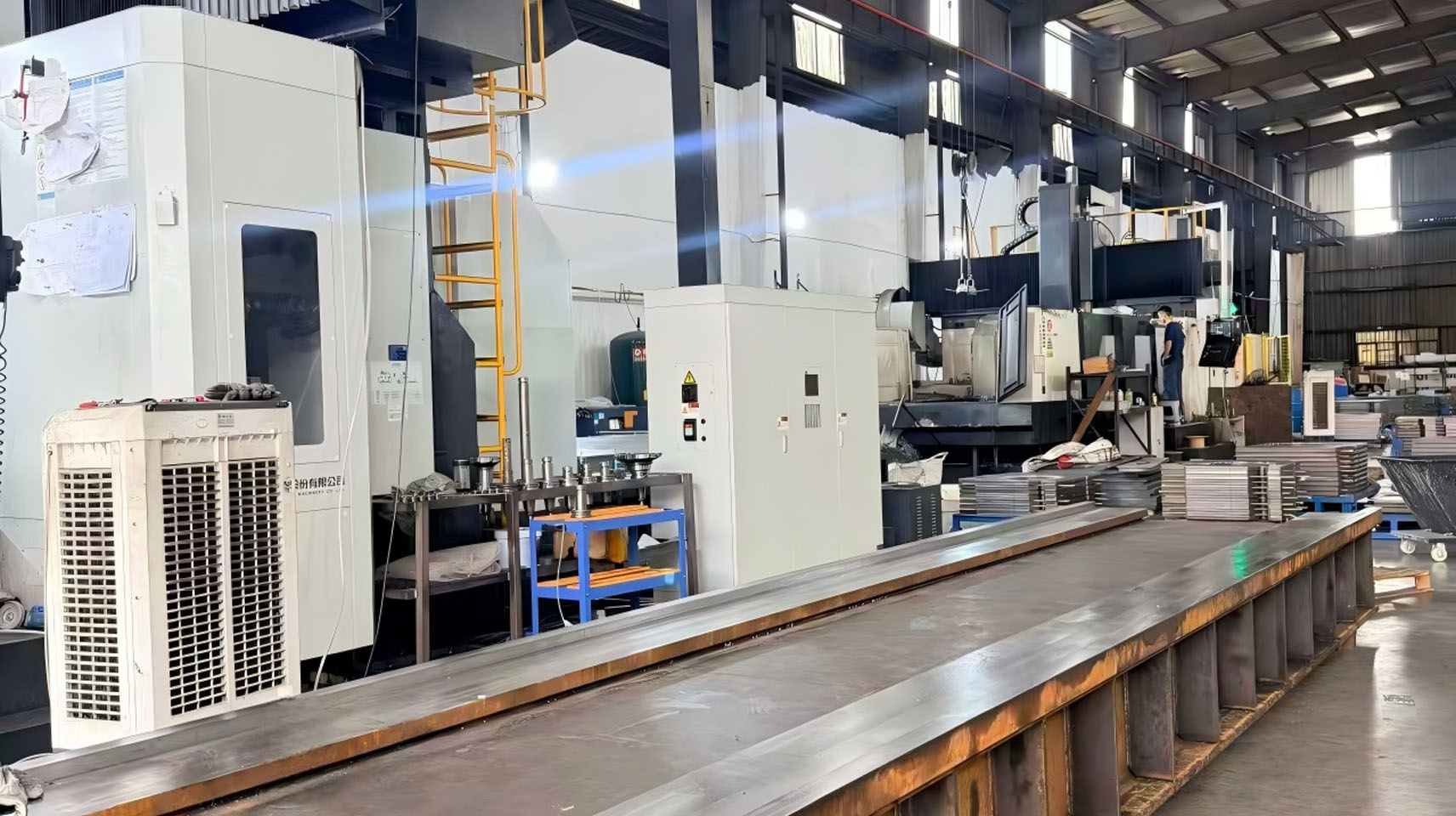
Behind large-scale commercialization, the biggest bottleneck lies not in design, but in the mass manufacturing capability of precision structural parts. All pressure eventually flows down to CNC and 5-axis precision machining workshops.
The Real Bottleneck of Mass Production Lies in Overlooked "Basic Robot Structural Components"
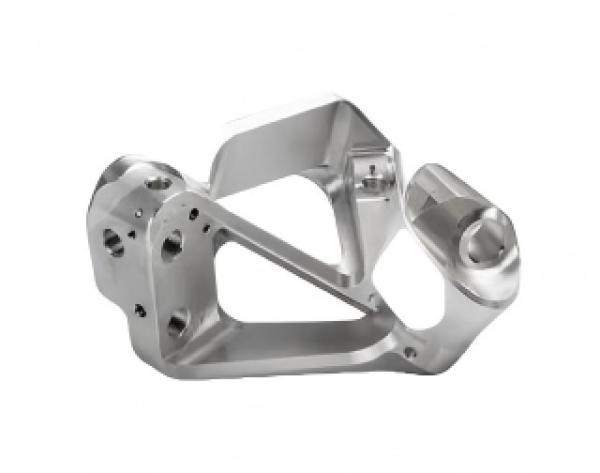
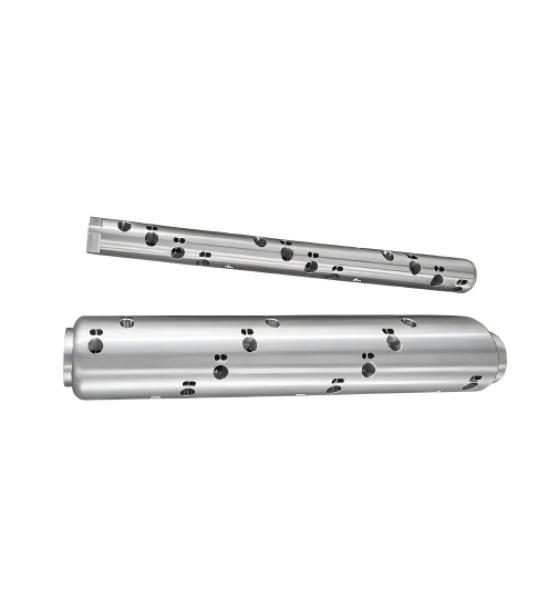
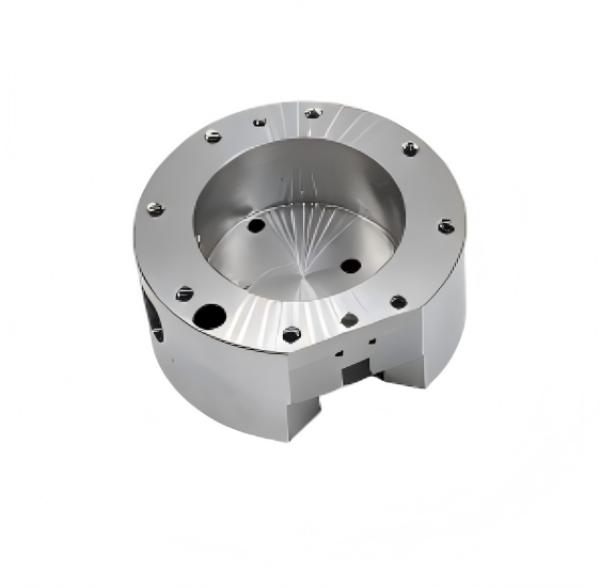
Robot joint housings, module cavities, power connecting rods, body frames and thin-wall protective enclosures are typical low-profile core components. Though they attract little attention, they directly determine the overall machine air tightness, motion accuracy, service life and mass production yield rate. They serve as the fundamental foundation for robots to move from lab prototypes to industrial mass production.
OEMs and system integrators commonly face four major process pain points during mass production, all originating from precision machining:
1. Insufficient flatness on sealing surfaces of joint cavities, leading to failed air tightness tests of the whole unit.
2. Batch deviation of concentricity for bearing holes, resulting in jitter, abnormal noise and wear after long-term operation.
3. Thin-wall parts suffer hidden deformation caused by cutting heat and clamping stress after machining.
4. Perfect precision for single prototype parts, yet continuous tolerance drift and poor consistency after 300 pieces in mass production.
These issues are not flaws in drawing design. They reflect gaps in process planning, clamping strategy, in-process quality control and batch stability — barriers that ordinary CNC manufacturers struggle to overcome.
Robot Supply Chain Screening: Three Criteria for Factories Qualified for Mass Orders
The humanoid robot sector is undergoing rapid reshuffling. Orders no longer simply go to factories with more machines. They are awarded to refined manufacturers with strong process expertise, process control and stable mass production capacity. The core evaluation criteria fall into three areas:
First, prioritize batch consistency over extreme single-piece precision. Stable SPC process control, first article inspection and full-process patrol inspection are the keys to preventing batch tolerance drift, which matters more than high-end machinery alone.
Second, closed-loop full-set precision inspection capabilities. Capable of testing flatness, concentricity, air tightness and geometric tolerances in-house. Manufacturers can independently verify product quality and provide traceable mass production data to eliminate delivery risks.
Third, flexible mass production adaptability. Support the full project cycle from R&D prototyping, low-volume trial runs, mid-volume ramp-up to large-scale mass production. Production capacity and scheduling can be adjusted flexibly to match the fast iteration features of robot projects.
Conclusion
In this inaugural year of humanoid robot mass production, ordinary subcontract workshops that merely “machine per drawings” will be phased out. Winners are precision 5-axis machining suppliers who optimize processes, resolve mass-production pain points and support clients through long-term iteration. Future competition within the robot supply chain essentially centers on the stable mass manufacturing capability of precision structural parts.
If you need custom machining for humanoid robot joint housings, cavities, thin-wall structural parts and precision connecting rods, please share your drawings. We will deliver professional process evaluation, deformation optimization solutions and accurate mass-production quotations.