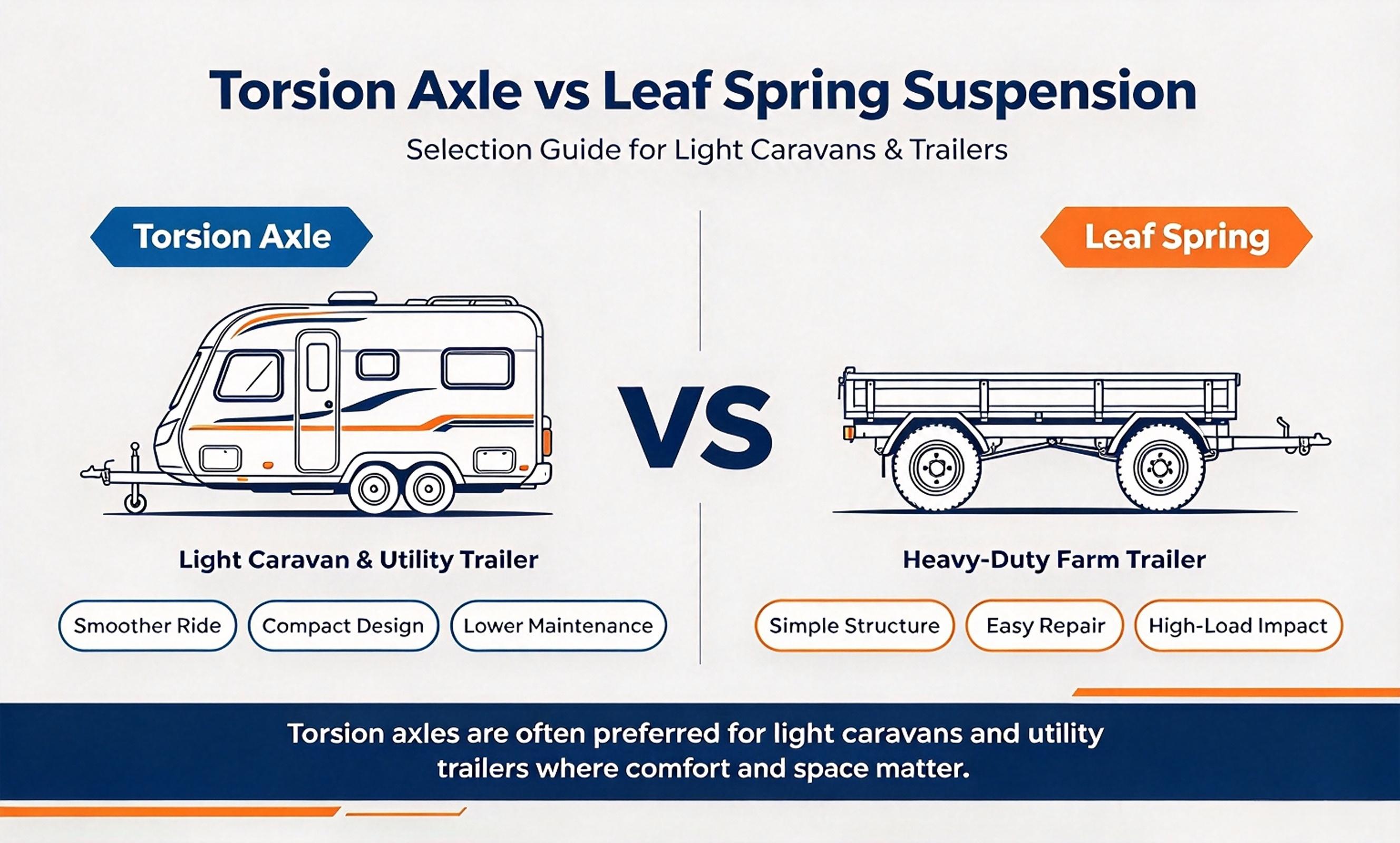
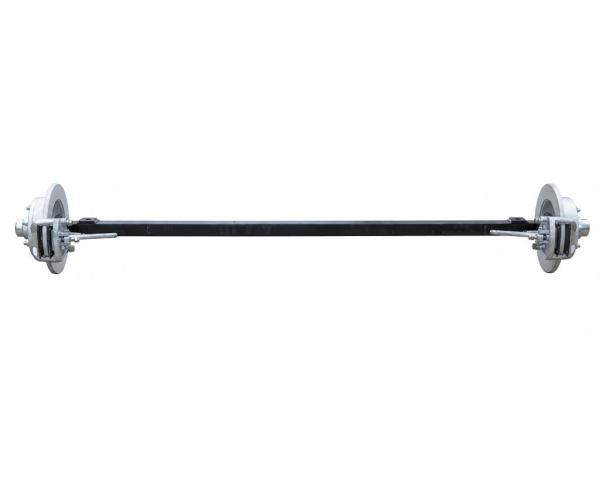
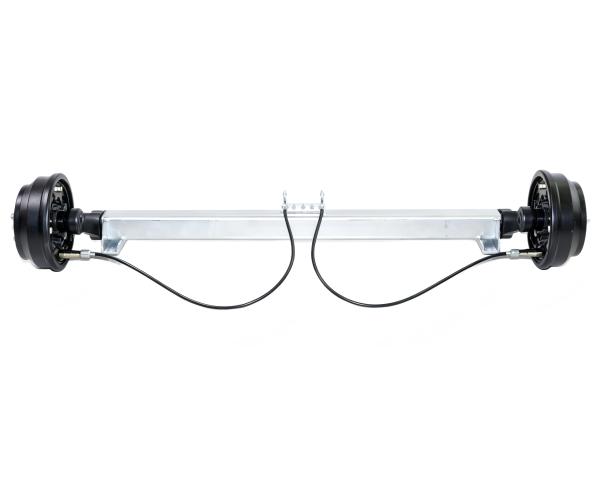
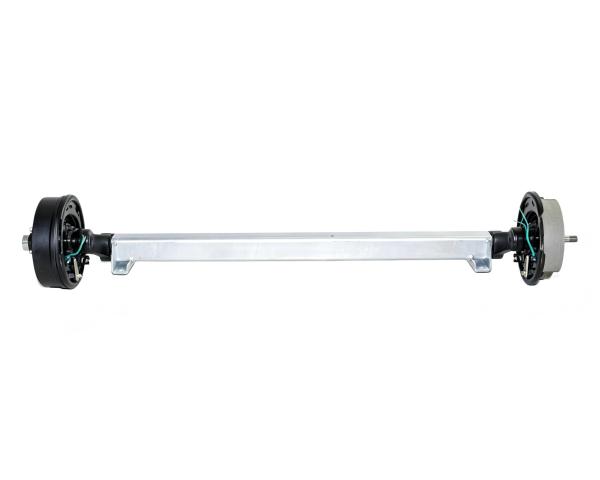
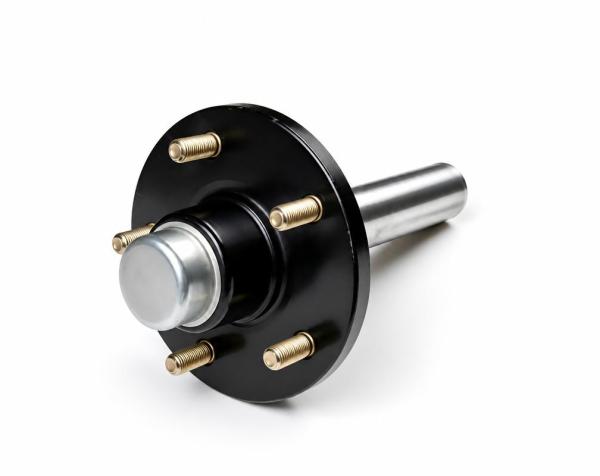
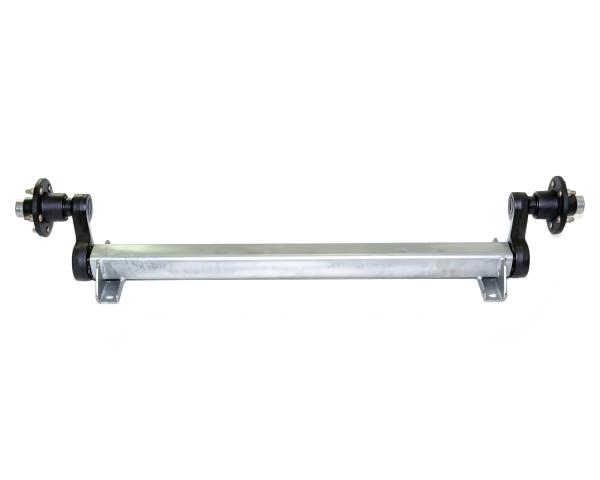
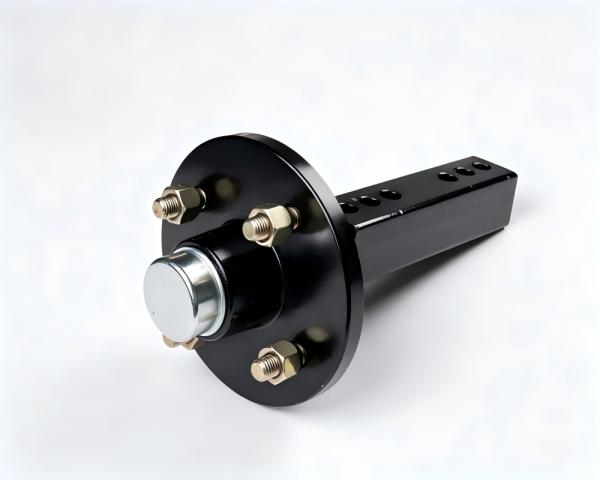
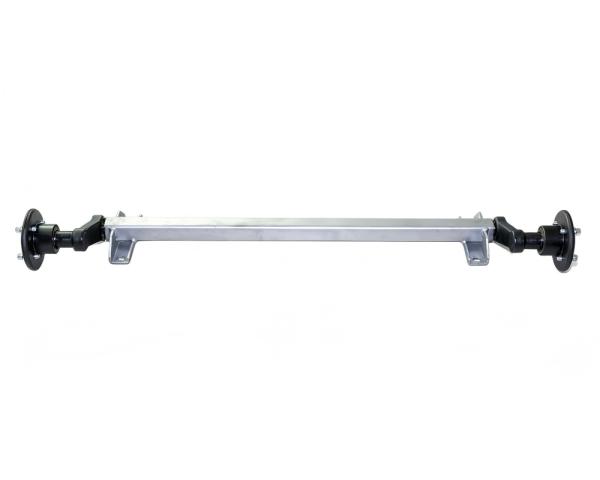
In the world of light recreational vehicles (RVs) and small trailers, suspension systems play a critical role in ensuring ride comfort, durability, and overall performance. Among the two most common types of suspension systems—torsion axles and leaf spring suspensions—torsion axles have gained increasing popularity in recent years, particularly for light-duty applications. This article explores the key advantages of torsion axles over traditional leaf spring suspensions in the context of small trailers and compact RVs.
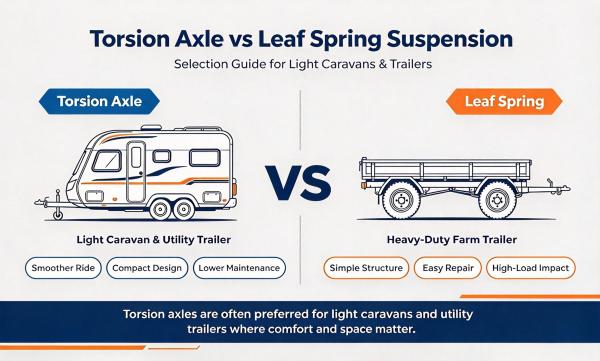
One of the most significant benefits of torsion axles is their ability to provide a smoother and more comfortable ride. Unlike leaf spring suspensions, which rely on multiple layers of metal springs that can create a stiffer ride, torsion axles use rubber cords or elastomeric elements inside a sealed housing to absorb road shocks. This design allows for independent wheel movement, reducing the transfer of bumps and vibrations to the trailer body. For RV owners who prioritize comfort during long journeys, this feature is a major advantage.
Lower Maintenance Requirements
Torsion axles are generally considered low-maintenance compared to leaf spring systems. Leaf springs are prone to wear and tear over time, especially in harsh road conditions, and may require regular lubrication, inspection, and eventual replacement of bushings or shackles. In contrast, torsion axles are sealed units with no exposed moving parts, minimizing the need for routine maintenance. This makes them an ideal choice for trailer owners who seek reliability and reduced long-term upkeep costs.
Improved Ground Clearance and Compact Design
Torsion axles are more compact and sit closer to the trailer frame, offering better ground clearance than leaf spring suspensions. This is particularly beneficial for off-road or uneven terrain, where higher clearance helps prevent undercarriage damage. Additionally, the compact design of torsion axles allows for more flexible trailer floor plans and easier integration into lightweight RV structures.
Enhanced Durability and Corrosion Resistance
Since torsion axles are enclosed within a sealed housing, they are better protected from environmental factors such as moisture, dirt, and road salt. This makes them more resistant to corrosion and extends their service life, especially in coastal or winter regions where rust is a common concern. Leaf springs, on the other hand, are exposed and more susceptible to rust and degradation over time.
Better Weight Distribution and Stability
Torsion axles provide more consistent weight distribution across the trailer, thanks to their independent suspension design. This leads to improved stability during towing, reduced sway, and better handling, especially at higher speeds or in windy conditions. For small trailers and light RVs, this translates to a safer and more controlled towing experience.
While leaf spring suspensions remain a cost-effective option for heavy-duty applications, torsion axles offer clear advantages for light RVs and small trailers. With superior ride comfort, lower maintenance needs, better ground clearance, enhanced durability, and improved stability, torsion axles are increasingly becoming the preferred choice for modern trailer manufacturers and discerning RV owners. When selecting a suspension system for your next trailer project, consider the long-term benefits that torsion axles can bring to your towing experience.

 English
 Español
 Русский
 عربي