English
 Español
 Русский
 عربي
عربيThe Manufacturing Process of Trailer Axles
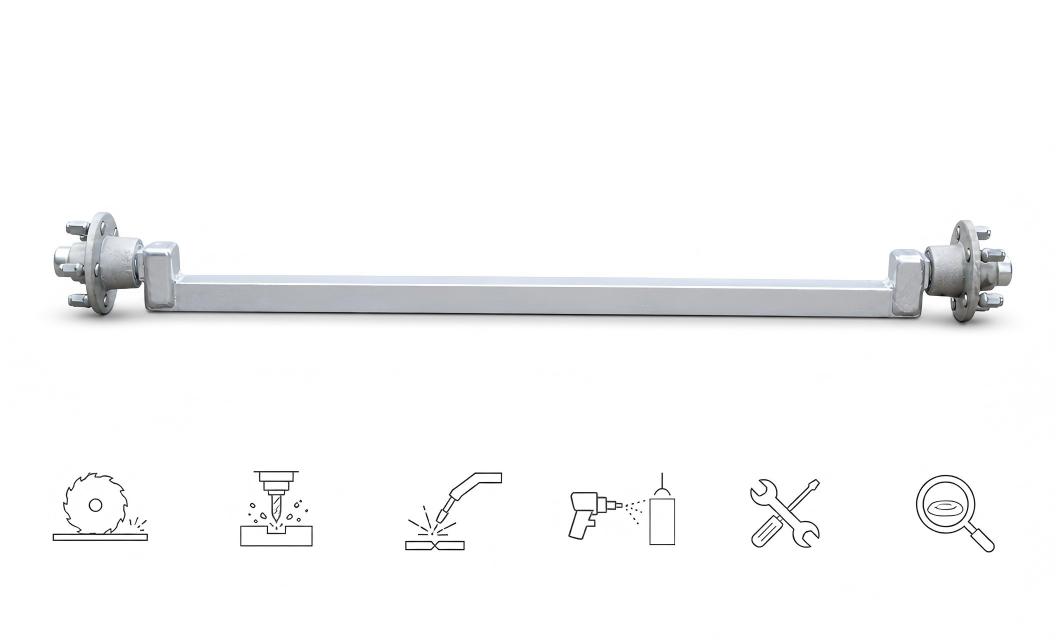
trailer axles,hot-dip galvanized finish,trailer replacement axles,trailer spare parts,trailer torsion axles
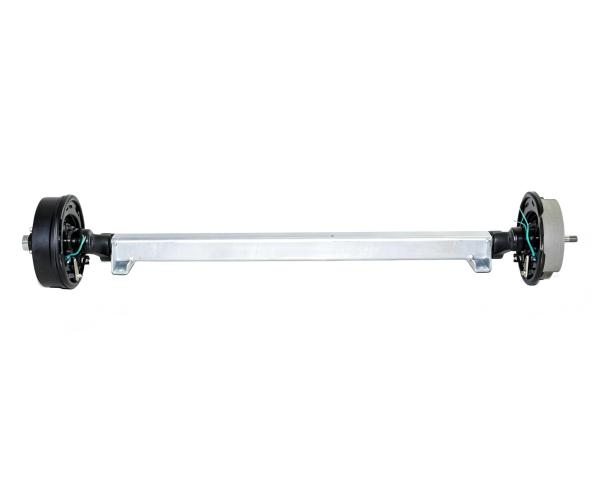
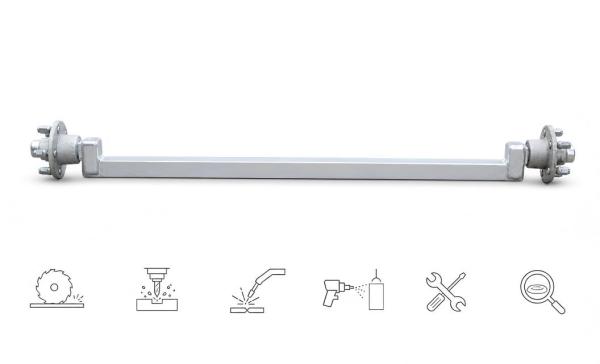
Trailer axles are critical load-bearing components that support vehicle weight and transmit driving and braking forces. Their manufacturing follows a systematic process divided into six core stages: cutting, machining, welding, surface treatment, assembly, and inspection.
Cutting
The process begins with precision cutting of raw materials. High-strength seamless steel pipes or alloy steel billets are first inspected and cut to specified lengths using CNC sawing machines or plasma/laser cutting systems. For components like spring seats or flanges, laser cutting ensures tolerances within ±0.5mm. Cutting must produce clean edges free of slag, cracks, or notches, with straightness controlled to ≤1.5mm/m to ensure subsequent processing accuracy.
Machining
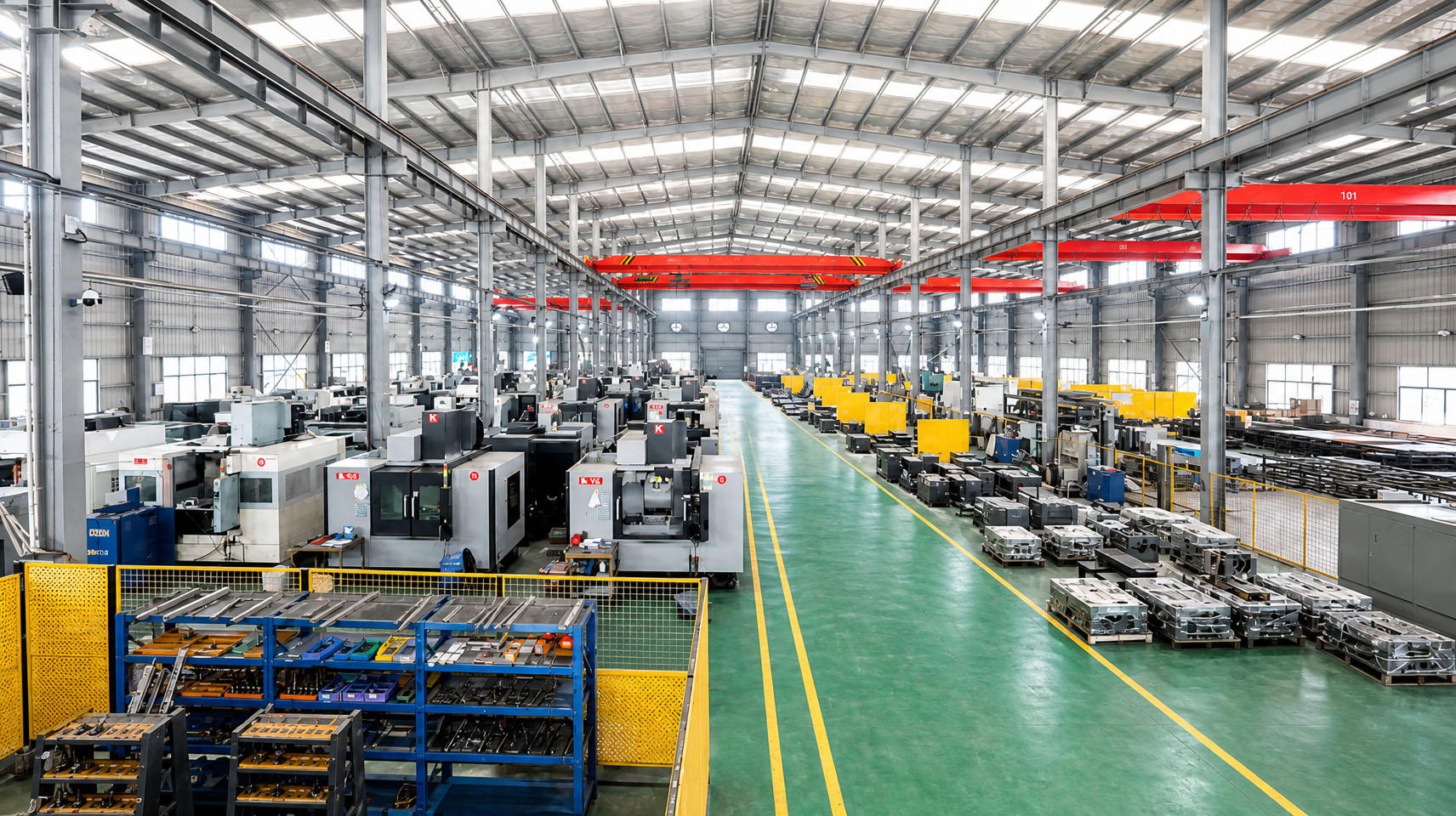
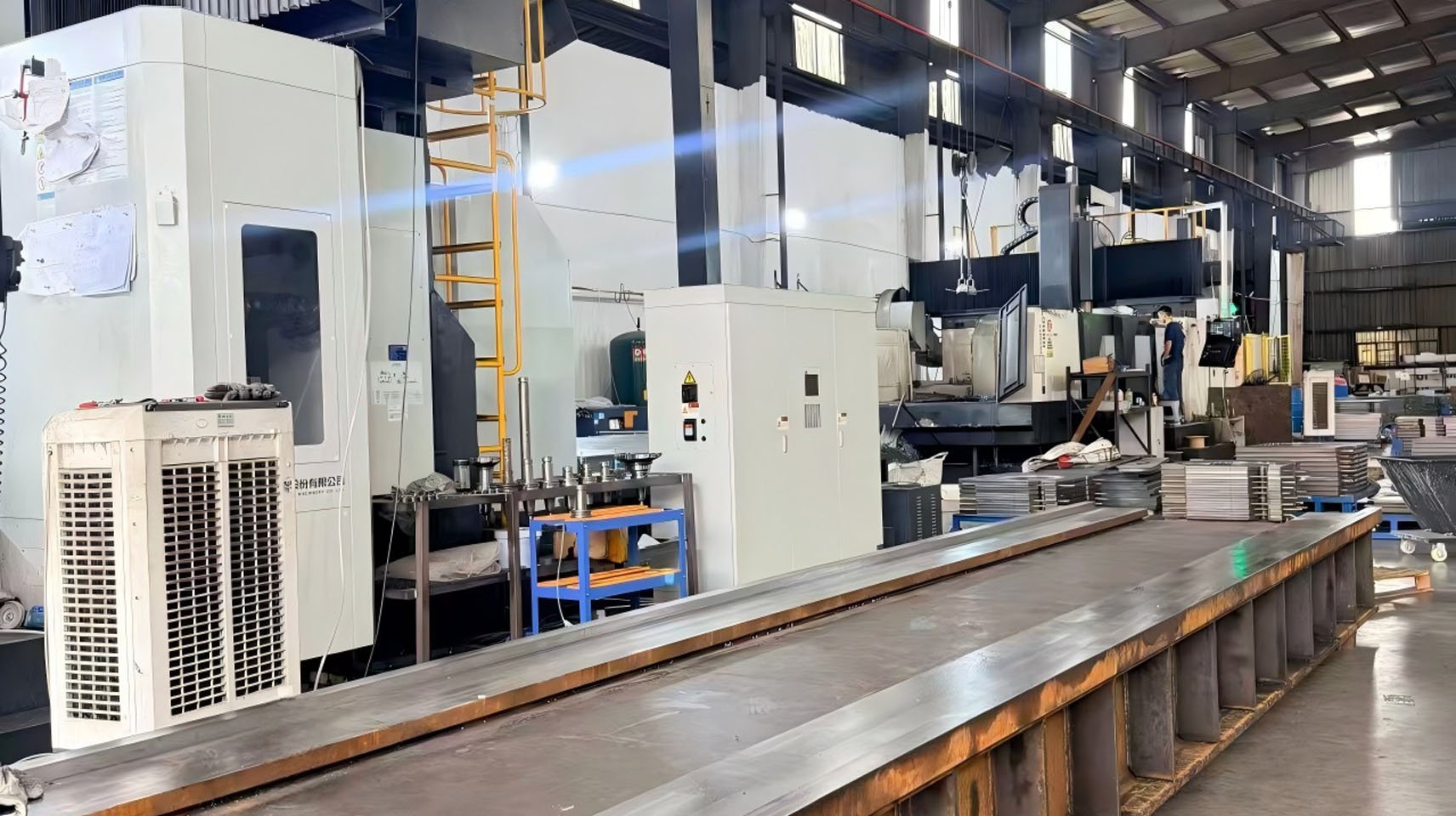
Machining transforms cut blanks into precision components through sequential operations. Rough turning removes bulk material to form the basic axle profile, followed by semi-finish turning to reduce dimensional deviations. Finish turning achieves final dimensions with shaft journal tolerances at IT6-IT7 grade and surface roughness of Ra0.8-1.6μm. For bearing seats requiring higher precision, grinding processes achieve micron-level finishing with surface roughness below 0.4 Ra microns. Secondary operations like drilling, milling keyways, and threading are performed after semi-finish machining.
Welding
Welding joins axle components while maintaining structural integrity. Spindles are precisely positioned on axle tubes using alignment jigs to ensure correct camber and toe angles before tack welding. Full seam welding follows, typically using gas shielded welding with 80% Ar + 20% CO₂ mixture at 280-320A current. Weld quality requires fusion depth exceeding 2mm, bead size over 10mm, and zero defects like undercutting, cracks, or incomplete penetration. Spring seats are then positioned and welded according to calculated spring center measurements.
Surface Treatment
Surface treatment enhances durability and corrosion resistance. Shot blasting removes oxide scale and induces compressive residual stress to improve fatigue strength. The axle then receives a multi-layer coating system: epoxy zinc-rich primer (40μm), epoxy intermediate coat (60μm), and polyurethane topcoat (40μm), achieving total film thickness ≥140μm. Alternative treatments include electroplating for wear resistance or anodizing for aluminum components.
Assembly
Assembly integrates the axle with functional components. Hubs, bearings, brake assemblies (discs or drums), and seals are installed following strict procedures. Bearing preload and hub nut torque are precisely controlled to ensure operational reliability. For axles with braking systems, hydraulic or pneumatic lines are connected and tested for leaks. Alignment verification ensures all components function harmoniously under load.
Inspection
Final inspection validates quality and performance. Dimensional checks verify length, width, and critical tolerances. Hardness testing confirms heat treatment effectiveness. Non-destructive testing (ultrasonic or magnetic particle inspection) detects internal defects. Dynamic balance testing ensures smooth rotation, while load and fatigue tests validate structural integrity under simulated operating conditions. Only axles passing all inspections proceed to packaging and shipment.